tick life cycle nz
Up to 160 adult ticks have been found on ears of a new-born calf. However they can lay eggs just about anywhere else and they do.
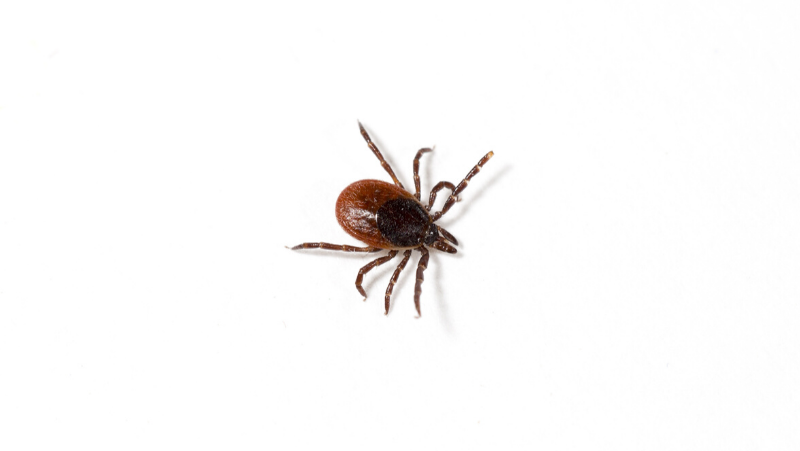
How To Control Ticks Yates
Controlling tick infestations is messy will involve using some sort of chemical spray or a lot of hands-on-skin plucking so having a good plan in place this early in the year will help you come spring and summer.
. Hosts geographic distribution and relevant references are provided for each species. The Deer Initiative Ticks Lyme Disease What are Ticks. They feed mainly on the blood of mammals especially sheep or deer and birds but may also feed on humans.
Ticks have the potential to pose public health and biosecurity risks because they can carry and transmit human and animal diseases. A tick begins its life as an egg. Ticks generally thrive in warmer moist environments but struggle to survive if.
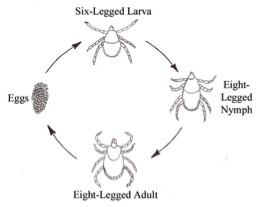
These are the egg the larva the nymph and the adult. If infestations are severe deaths of new-born fawns are often the first sign. Theileria is a protozoan which acts as a parasite spread by the saliva of ticks as they suck the hosts blood.
Once the egg hatches a tick needs a blood meal at each stage in order to survive and continue to grow. Since there are so many different tick species the duration of this life cycle varies greatly from a. Eggs are not dangerous and appear as a brownish-red translucent color.
Three erroneous records published recently two in a book on New Zealand biodiversity and one in a seabird tick review are corrected. Inside or out ticks love a warm environment to lay their eggs. The entire life cycle of the tick can take up to 3 years to complete and is comprised of four distinct life stages.
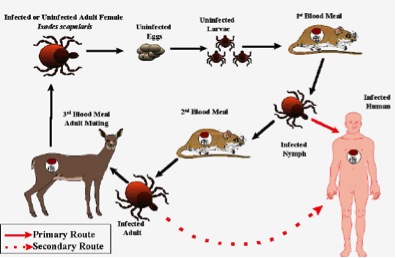
In general the life cycle of a hard tick is as follows. Its important to be familiar with this life cycle to get rid of ticks from your lawn and landscape and prevent tick bites. Ixodes scapularis the black-legged deer tick which is the primary vector for Lyme disease has a four-stage life cycle and a lifespan of about two years.
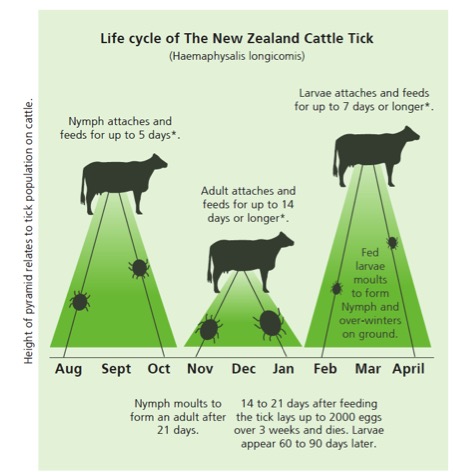
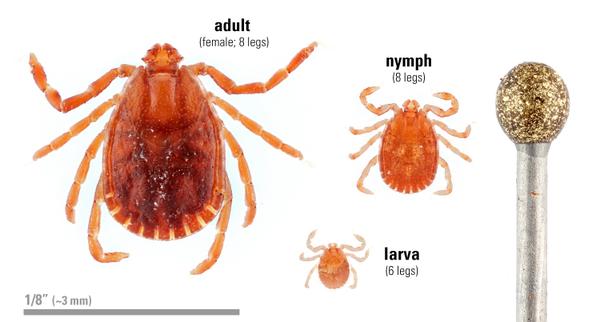
Its first host is usually a small mammal or a lizard and it has to find a host in order to grow. The common cattle tick Haemaphysalis longicornis favours cattle but they are not completely host specific and can infest deer sheep goats humans horses rabbits hares and domestic pets. In veterinary terms the disease is called oriental theilerisosis.
Its first host is usually a small mammal or a lizard and it has to. The life cycle of a tick is completed after four stages namely egg larva nymph and adult it requires more than a year to complete a full life cycle. After hatching from the eggs ticks must eat blood at every stage to survive.
After feeding the larva drops to the ground to digest its food and begin to grow. Ixodidae Argasidae known to occur naturally in the New Zealand subregion is given. The First Stage egg The adult female tick first fulfills a proper blood meal then the process of mating occurs between an adult male and adult female tick.
Depending on the species ticks can live for up to three years during which they go through four distinct life stages. 1 The Egg Stage 1 After the adult female tick has acquired a proper blood meal she mates with the adult male tick leaves the host and searches for a suitable spot to lay her eggs. Most ticks go through four life stages.
Egg larva nymph and adult. When the egg hatches a six-legged larva emerges. Ticks are not able to lay eggs directly on a host they must first detach.
Some tick species spend their entire lives on one host while others will have up. An adult tick has eight legs and before it sucks the blood of its host which can include humans although you should notice an. A newly hatched six-legged larva feeds on a host drops off to the ground and moults to a nymph.
Now let us look at their life cycle to get a better understanding. Generally adult female hard ticks breed while on the host animal and then drop to the ground to lay eggs. A list of all the species of ticks Acari.
The majority of hard ticks require three different hosts to complete their development. Without blood ticks cant do any of this. All active stages of the tick life cycle require blood meals to continue their development.
After hatching from the eggs ticks must eat blood at. Stages in the Life Cycle of Ticks. The main diseases of concern in some other countries are not currently present in New Zealand.
A nymph seeks out and feeds on a second host. The Life Cycle Of A Tick Diagram. During this development ticks go through four stages of life.
Ticks affect deer by removing blood around 075-1mltick. For females in particular feeding is essential for reproducing and laying eggs. Ticks typically have three life stages adults which feed on an animal then drop off to lay eggs.
These hatch into larvae which crawl onto the animal and feed then they drop off to moult into nymphs which in turn feed drop off and moult into adults to start the cycle again. Ticks that complete their life cycle in this manner are called two-host ticks like Hyalomma anatolicum excavatum. The life cycle of a tick can be divided into four sections.
This is because ticks are difficult to. Larvae nymph adult and egg. Ticks need energy from blood in order to grow develop and lay eggs.
A tick begins its life as an egg. When the egg hatches a six-legged larva emerges. The larvae hatch in the winter and emerge.
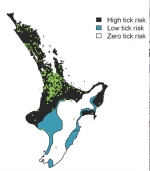
Tick season has various peaks corresponding to the life-cycle but generally numbers are higher during the warmer months and they tend to over-winter in New Zealand when they are less active. Hard ticks and soft ticks have different life cycles. The female tick drops off its host often in the fall and lays thousands of eggs.
Most ixodid ticks require three hosts and their lifecycles typically span three years. Ticks can become infected with the bacteria. The eggs hatch and six-legged larvae emerge from the eggs.
Ticks that require this many hosts can take up to 3 years to complete their full life cycle and most will die because they dont find a host for their next feeding. These stages are egg larvae or seed tick nymph and adult. Aside from its missing set of legs the larva looks a lot like an adult tick.
Four Life Stages. This can weaken fawns in particular making them anaemic and bringing about death through blood loss. Gravid pregnant female ticks lay batches of up.
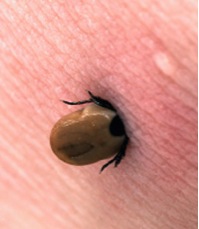
However the Ministry is not aware of any cases of people catching a disease from a tick bite in New Zealand. Aside from its missing set of legs the larva looks a lot like an adult tick. Ticks are tiny parasitic spider-like creatures commonly found in woodland heathland and moorland areas.
This protozoan Theileria orientalis ikeda is the one currently causing problems and spreading south in New Zealand cattle. There are many different species of tick in the world but Hlongicornis is the only one found in New Zealand. After a two-year life cycle a female tick can lay thousands of eggs.
Life Cycle of Ticks. Over 80 of the tick lifecycle is spent off the animals. Egg six-legged larva eight-legged nymph and adult.
Ticks go through four life stages. Ixodes ticks are also known from Stewart Island shag nests Heath Cane 2010 and various other New Zealand shag species Heath et al. Ticks are blood sucking external parasites.
If there was a high incidence of ticks at king shag.

Life Cycle Of A Multi Host Argasid Tick Example Is Ornithodoros Download Scientific Diagram

Three Host Life Cycle Of Ixodes Derived From Ref 13 Download Scientific Diagram

Life Cycle Of Theileria Parva In Cattle And The Ixodid Tick Vector Download Scientific Diagram

Sunlive
2
Ticks Tick Borne Diseases
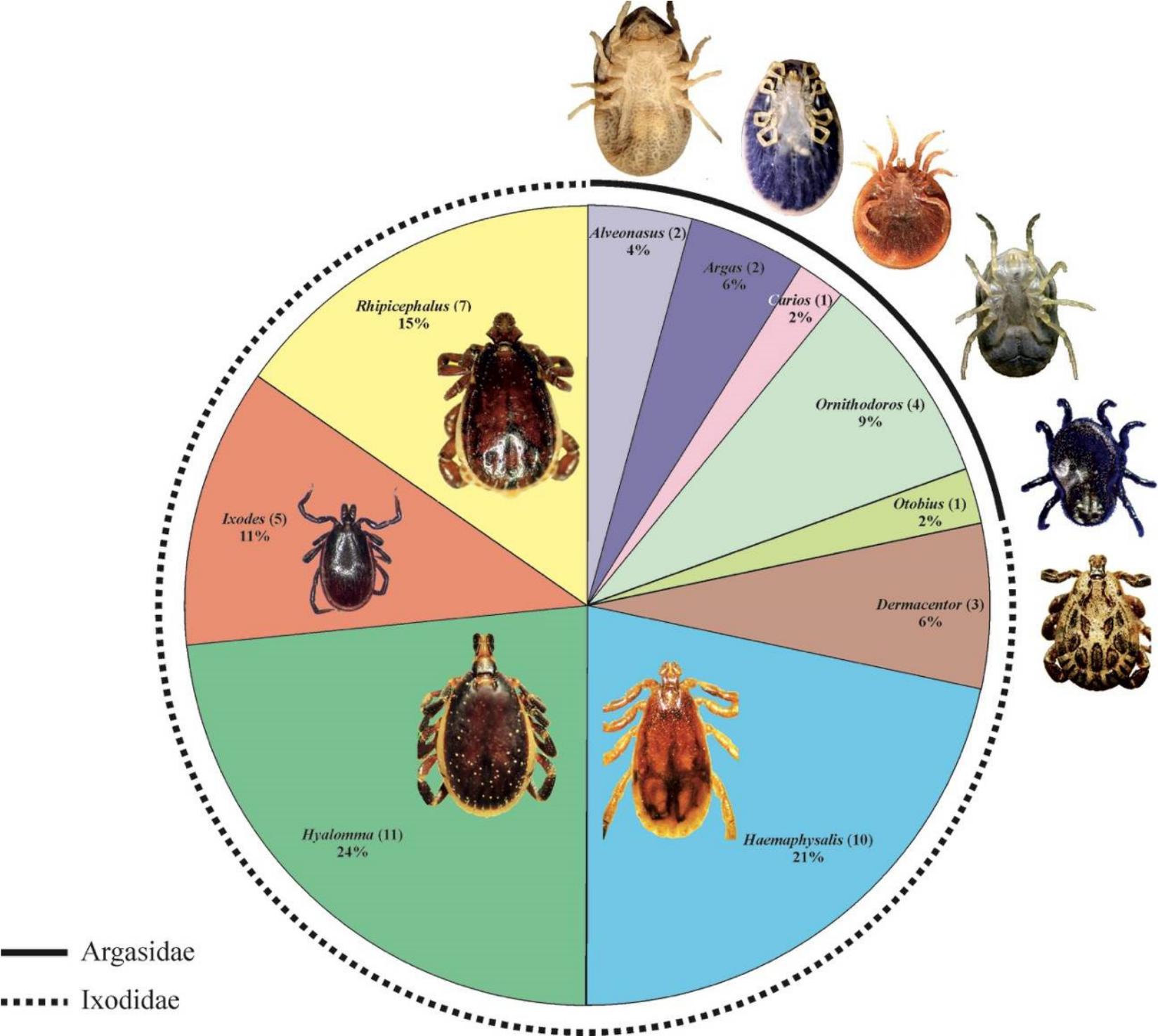
The Updated List Of Ticks Acari Ixodidae Argasidae Occurring In Iran With A Key To The Identification Of Species

Ticks Found On Canterbury Dogs Stuff Co Nz
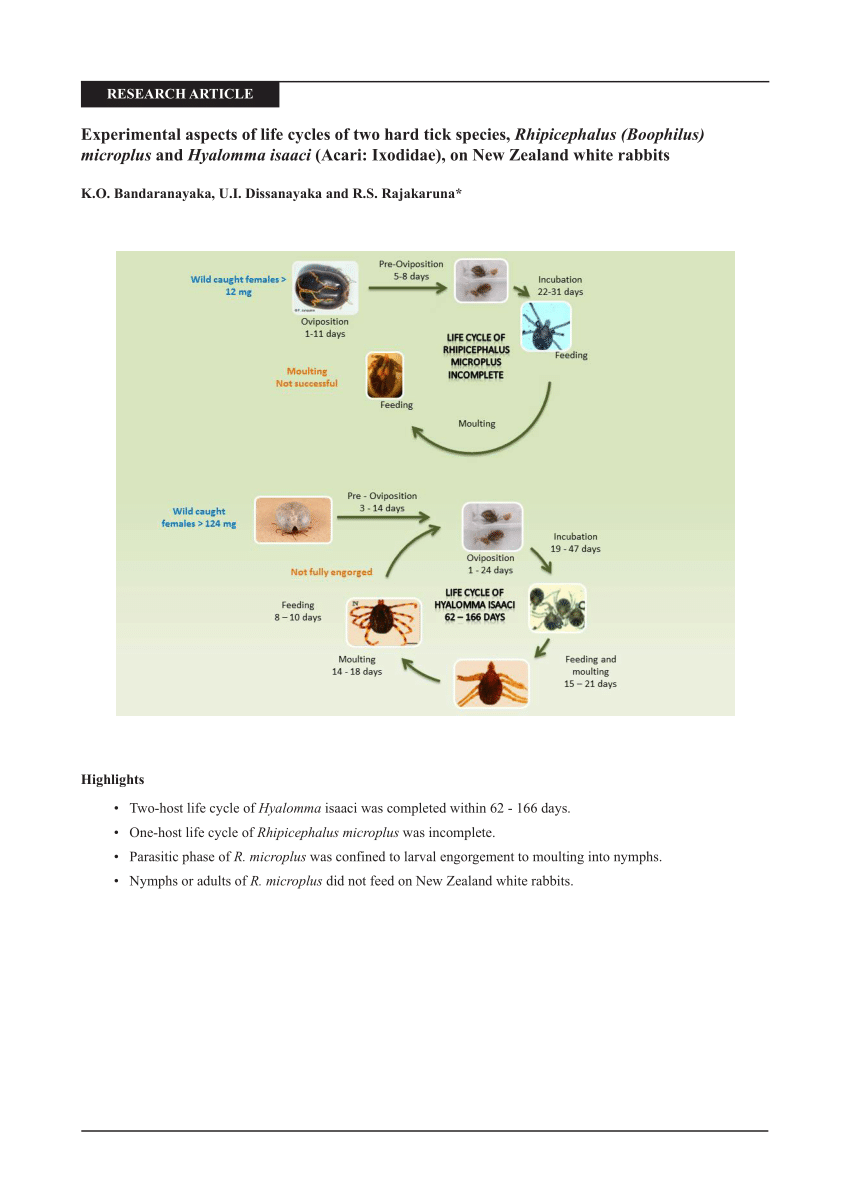
Pdf Experimental Aspects Of Life Cycles Of Two Hard Tick Species Rhipicephalus Boophilus And Hyalomma Isaaci Acari Ixodidae On New Zealand White Rabbits
Ticks Tick Borne Diseases

Life Cycle Of The Ixodes Tick Vectors Of Lyme Borreliosis Reservoir Download Scientific Diagram
2
Hardy Ticks Well Equipped To Survive Thrive
Theileria Emerging Disease In Cattle Vet Centre

Ticks Pestxpert Nz
Ticks Tick Borne Diseases

Deer Tick National Geographic
Asian Longhorned Tick Nc State Extension Publications

Life Cycle Of Spinose Ear Tick Otobius Megnini Acari Argasidae Infesting The Race Horses In Nuwara Eliya Sri Lanka Sciencedirect
